Tuesday Thomas: 11 August ‘26
It’s Tuesday again and it felt like another opportunity for some aliteration again to explore five more tracks from my favourite film composer Thomas Newman. I’ve tried to explore pieces that are a bit different from the last set.
Youtube links below for each track and a more detailed reflection for each track below them.
Here are five Thomas Newman tracks that are worth a listen:
https://www.youtube.com/watch?v=HiPBe7fUogc&list=RDHiPBe7fUogc&start_radio=1
https://www.youtube.com/watch?v=8zM31mOxHVY&list=RD8zM31mOxHVY&start_radio=1
https://www.youtube.com/watch?v=qvB5aTDmO_0&list=RDqvB5aTDmO_0&start_radio=1
https://www.youtube.com/watch?v=KH-YNh6P1zM&list=RDKH-YNh6P1zM&start_radio=1
https://www.youtube.com/watch?v=WfIFX9Tl8RE&list=RDWfIFX9Tl8RE&start_radio=1
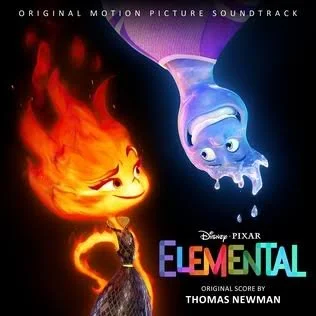
Hot Air Balloon
From Elemental
(2023, Director: Peter Sohn)
I know last time I swooned over Spacewalk, but you can’t fault a fella for enjoying the romantic things in life. Newman’s animated scores are always a treat but 2023’s Elemental was a real underrated gem, the score really lifts and carries the film. This piece scores a romantic, you guessed it, hot air balloon ride as fire and water begin to fall for each other and form a connection.
It starts with some classic Newman strings before going in the most wonderfully dreamy and exotic direction with a sitar twang with processed vocals. It’s playful and jaunty and sweet with a really close connection to the overall feel and vibe of the film’s score. There are lovely little string sweeps that add to the swooning nature of the piece which punctuate with the sitar twangs to showcase the changing relationship between the two characters. The piece further develops as Amber shares a sad story with Wade at around the two minute mark with a gentle but sparse piano riff taking over and mixing with a more melancholy vocal which culminates in a low, low vocal to close out the track. It’s a wonderful and sweet track with a lovely shift to a melancholic but romantically hopeful conclusion.
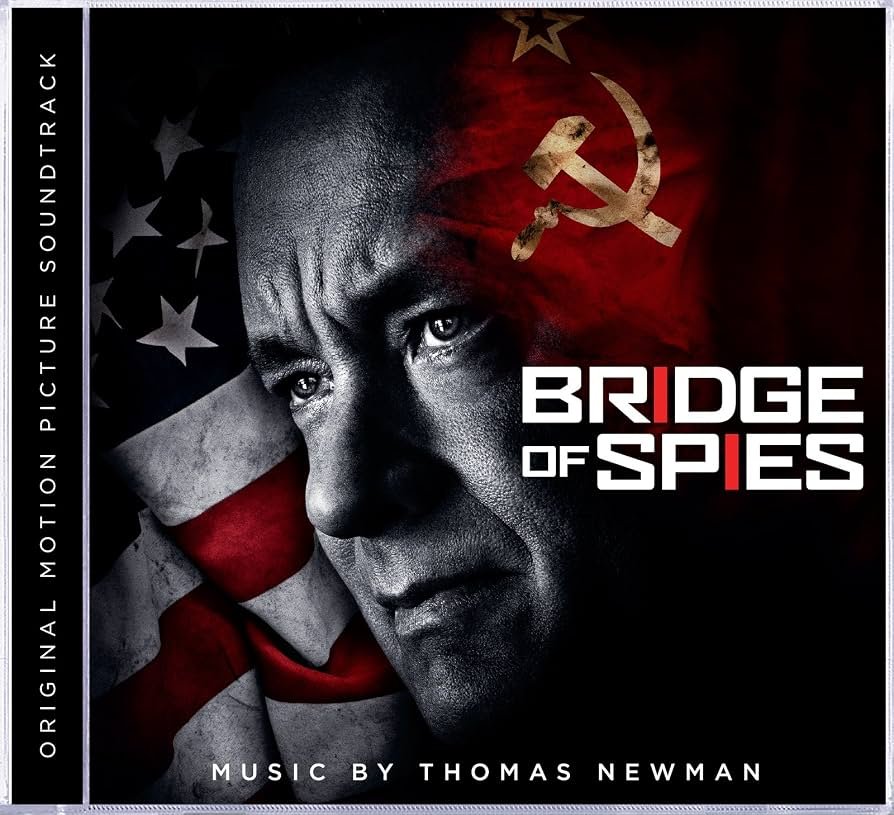
Standing Man
From Bridge of Spies
(2015, Director: Steven Spielberg)
Some understated Thomas here from one of my favourite film scenes of all time. It’s nothing flashy or over the top, just two people in a room, initially a conversation and then one man listening to another as he recounts a story from his past and uses that story to pay the greatest of compliments with Tom Hanks and Mark Rylance delivering wonderful work.
Newman doesn’t over score the scene and is careful to pick the right moment to begin the music with around 30 seconds of dissonant strings that create a tense but honest atmosphere, there’s clearly hints of darkness, of hopelessness and a dark scenario but then around 43 seconds, a warmer flush of strings brings a hopefulness and a stoicism to the piece - linking to the big key points in the latter parts of the film’s score. At around 1.40, the main theme from the score that represents Tom Hanks’ character kicks in, not for long, just a small flourish but the positioning of it is wonderful. After listening to the dark story shared by Rylance’s character, the little flourish of musical characterisation finds light in the most gloomy of rooms - only a cigarette provides any real light - and is a testament to Newman’s belief that music should make an audience feel something naturally. A beautiful cinematic moment.
A reminder of the scene:
https://www.youtube.com/watch?v=rRSIPvuYwOY
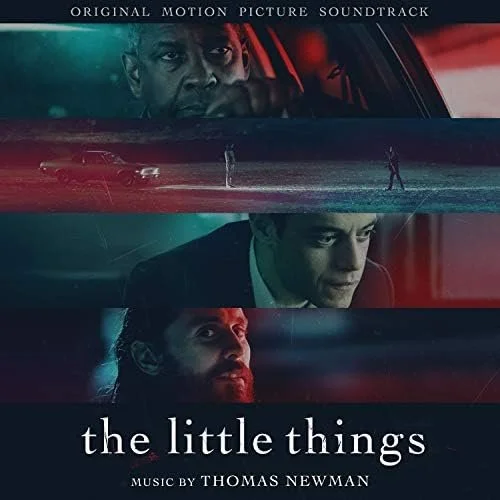
Chevy Nova
From The Little Things
(2021, Director: John Lee Hancock)
So two John Lee Hancock films appear in the list today and The Little Things is the first. Regardless of how I might feel about Jared Leto, this is a really interesting Thomas Newman score, probably one of his darkest. While some might initally find the score hard to access, it rewards patience as it is complex and layered. The track Chevy Nova actually opens the score album but is placed in the centre of the film and scores a tense game of cat and mouth on a the highway between Denzel Washington’s character and the previously mentioned actor’s creepy suspect.
The piece begins with a clang of sinister percussion before the two dominant sounds kick in - a dark and sinister piano riff which is coupled with a the near constant strumming of a guitar - perhaps something more exotic so I’m happy to be corrected! They both do different things; the piano is the chase, the guitar riff is Leto’s character. The former is a twitchy, jaunty piece of piano that is far from Newman’s ability to sooth and inspire with the piano and instead sets you on edge like that cat and mouse feel the scene is going for. The latter guitar riff is dark, almost uncertain at points and a constant unsettling presence. They work brilliantly in tandem to really benefit the scene - when you watch the scene, it’s a pretty low-stakes chase sequence so the music does a huge amount of heavy lifting with both the piano and guitar the beating heart of the scene. It’s not a Thomas Newman album to pop on to relax and bask in the warmth of, but there are some really interesting pieces throughout, especially with the darker use of the piano and some lovely angelic like vocals which hint at even further darkness. The latter part of the album includes some great tracks which help the darkness of the film break as the conclusion nears.
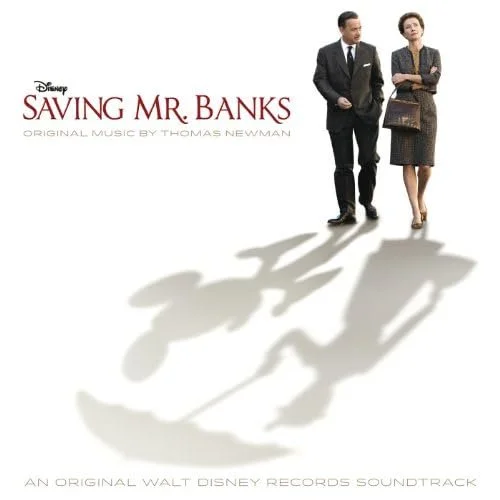
Ginty My Love
From Saving Mr Banks
(2013, Director: John Lee Hancock)
So another piece from a John Lee Hancock film, but one that is very different, this time from 2013’s Saving Mr Banks. This piece comes from near the end of the film and the score album - Thomas does sometimes enjoy playing around with sequencing to create a better listening experience.
There is much to enjoy about this track with once again, strings and the piano playing a key role in the lightness and joy and warmth the piece creates. The piano is actually of a similar pace to the previous track but it’s light and playful and cute with bells and whistle percussion to add to that playfulness. The strings are warm and jaunty, fitting with Hanks’ portrayal of Walt Disney and the very quirky Ms Travers played by Emma Thomson. There is a lovely harmonica sounding inclusion toward the end of the track before the final sweep of strings that bring the piece to an end.
I think it’s a lovely piece to explore as Newman captures the joy and warmth of a loving memory of childhood and the relationship with parents that can at times be complex but is always dominated by love and respect and thankfulness.
The Letter That
Never Came
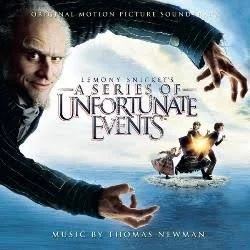
From Lemony Snicket’s A Series of Unfortunate Events
(2004, Director: Brad Siberling)
I’ve long been a fan of Newman’s work but this track in particular is a real favourite of mine and one of the first that really hit home in terms of the emotional power of his music. The score for this film is varied and exciting and fun and very, very quirky. There are so many brilliant tracks to explore but near the end of the film, a letter arrived and the character of Violet reads it aloud, it is from the three sibling’s deceased parents. Newman goes very piano heavy with some wonderful strings to really explore the emotion of the scene and the actor’s voice over. His music never overpowers but brings a delightful emotional resonance to the words. The piano remains front and centre with those emotive strings providing a softness and melancholic nature that finds the musical strength that the words are striving for. The piano is initially gentle but as it rises in key, it captures that strength and sadness at what could have been.
The track is just over four minutes long and is honestly one of the most beautiful pieces of music I have ever heard, the strings that kick in at 2.12 never fail to make me feel something.
I suppose this track is a brilliant explanation of how I ended up creating this page and writing about film music - it can move, inspire, challenge and provide a warm hug or a supportive arm round your shoulder.
If you’re even a slight fan of film music then give it a listen. It’s just wonderful.