https://open.spotify.com/album/1NBrMuPhe9RhyqdwgSfByu?si=H1ZlO3KtRMeBljjIV0sTMg
Some argue that some of the best creative work in recent years is found on the small screen rather than the big screen - quite the reductive description even in that because Russell T Davies’ Tip Toe is one of the best pieces of work on 2026. Davies has worked with a number of composers over the year and music has played a vital part in all his work on television. Tip Toe arrived in the UK on Channel 4 earlier this year and has made it over the pond to the USA via Starz. Sam Watts has produced a brilliant score for a brilliant drama.
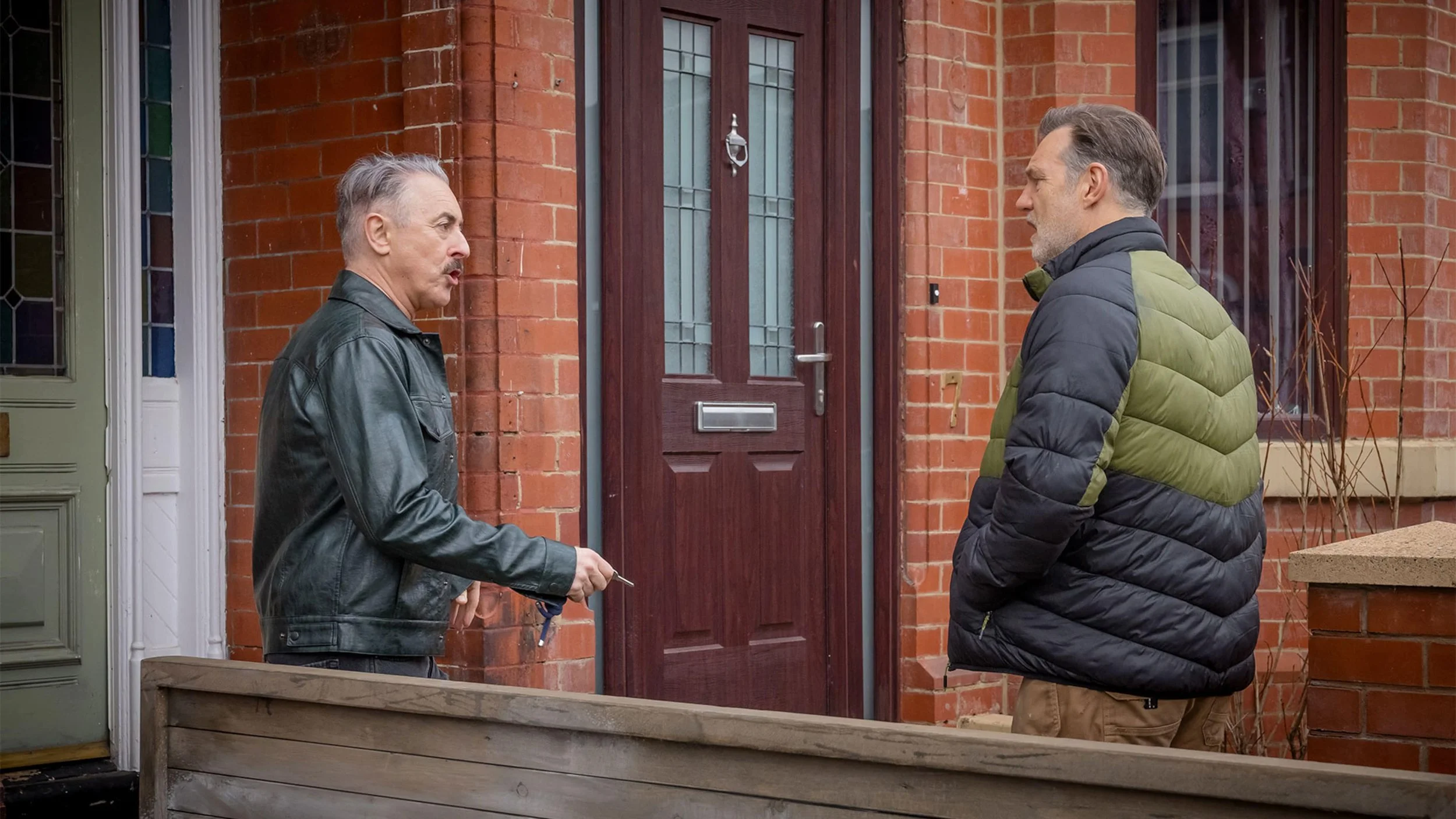
It’s hard to write explicitly about the show because I would be loathed to give away even the slightest spoiler as the strength of the show is the complexity of both the characters and the narrative with a razor sharp script from Davies. The show follows the ever complicated relationship between next door neighbours Leo (Alan Cumming) and Clive (David Morrissey) as they navigate issues of sexuality, masculinity, parenthood, sex and truth. The opening scene is a staggering one and the conclusion to the series as a whole is some of the most effecting television I have watched for a long time. I’ll not go into any detail that could slip into spoiler territory when looking at individual tracks. What I love about Watts’ score is the genre hopping that he does to sublime effect, there is music that you wouldn’t think would be from the same show but it is, and it’s all the better for it.
That staggering opening scene is scored by the track Beginning of the End and it’s an ethereal soundscape initially before uncomfortable strings become more prominent with an emerging percussive siren sound that you would expect to hear in a horror film before a thunderous percussive climax which almost sounds like a gun shot, with tambourines. It’s not the music any viewer will be expecting to open this colourful looking drama but it’s effectiveness cannot be underplayed. The slow build up is essential to ratcheting up the tension before the final shot of the intro links with that horror style siren and then the thud of the climax over the title card - and leaving the viewer in no uncertain terms that this is drama at it’s finest.
Watts uses a vocal throughout the score at a number of points to add propulsion and also layer the music with narrative significance. In Hot Gossip, the track features a “ha” vocal sound that increases in quantity as the track progresses and once dramatic and quick fire strings kick in, the vocal “ha” follows suit. It’s very classic RTD in the style of scoring; it’s playful and fun and cheeky and captures that scandalous thirst we have for gossip and rumour via music. A number of the shorter tracks on the album share that playful propulsion in terms of the music but underneath it all, there is something slightly darker simmering, you can always hear this in Watts’ underlying strings.
A powerful pair of tracks begin with Leo Makes a Mistake - we watch Cummings’ Leo make a poor decision with the best of intentions and it’s hard to sit through because you begin to imagine the consequences and then feel bad for the cynicism that society inflicts upon you. The track begins with somber strings and percussion that sounds like it is trying to be playful and fun (like the character of Leo) but cannot. There are hints of warmer strings toward the end of the track but that cynicism remains throughout. This is followed by Do You Love Him? which is a beautiful piece of music. This scores a key moment between Leo and the character of George and without going into spoiler territory, the music plays a vital role in helping the audience to find the heart, the kindness and the warmth in the exchange. It’s like the music is banishing the cynicism society forces upon us - there is a tender and twinkly music box feel to the track with quirky but soft synth strings and the most subtle of vocals adding a foundation of warmth and innocence to the music. The more traditional strings kick in and they are so lush and warm and the music adds something really beautiful to the whole scene, and helps us really connect with both characters in a meaningful and story driven important way.
Morrissey’s character of Clive gets his own character theme in Clive, which is a heavy rock guitar piece that reeks of masculinity even if it doesn’t quite convince. It feels like Watts is using that gloriously OTT rock music to support Davies in peeling back Clive’s fragile understanding of his own masculinity. What Clive’s Lost begins to musically unpick some of that with a tender, almost Spanish sounding guitar forming the basis of the track as Clive realises the fragility of his perceived masculinity. It’s a short but effective piece that works brilliantly in contrast with that character theme, it sounds and feels delicate and fragile with a lightness to the piano and genuinely warm strings which evoke pathos and pity.
Leo…Wins? is another powerful piece of music with a music box elegance to the foundation of the track with increasing synth strings which then build to a more complex combination of strings and vocals. It’s a moment that is supposed to feel like a victory for the character of Leo but even in the victorious nature of the music, there is that constantly undercurrent of darkness lurking. Some of the other shorter tracks are just brilliant; George Goes Viral uses electronic percussion to mimic the spread of social media posts in a way that makes the music truly part of the narrative while a cheeky but clever vocal is used in Head Full of Sex together with quickening strings to mimic the journey toward that climatic moment of gratification. It is such clever scoring, just not one to listen to with your mum!
I want to focus in on two further tracks, the first of which I found, along with the scene itself, incredibly powerful. They Really Hate Us scores a conversation between Leo and his friend Melba (Paul Rhys) and is strings based with an increasing sinister undercurrent. The strings begin to form a circular sound, like the music is going round in circles perhaps exploring the way in which gay rights are once again being eroded - history repeating. Those sinister strings reflect, subtly, a horror film and Watts never over-scores the scene, he never tells the audience via music how they should be feeling but creates a soundscape where the powerful script and performances are enhanced, never drowned out.
Finally, His Life Is Over and it’s incredible work. It reminds me of something very cinematic, with a use of strings that Hans Zimmer would appreciate. It’s well paced, beautifully layered and really powerful music. I’m going to avoid going into any sort of detail about what it scores on screen because the ending of Tip Toe is so strong, I cannot risk spoiling it. I suppose it comes back to that opening gambit, the small screen and the big screen. If you want an example of music that gets to the heart of what a writer is trying to say then this track does that in such an expansive way that it seems churlish, nay derivative to even suggest that the phrase “small screen” does any of this work justice.
Television that will stay with you long after the end credits roll. Music that will stay with you long after the final somber and tragic piano and strings of His Life Is Over fade. Work to be savoured and enjoyed.
Favourite Tracks: Host Gossip, They Really Hate Us, Do You Love Him? and His Life Is Over